
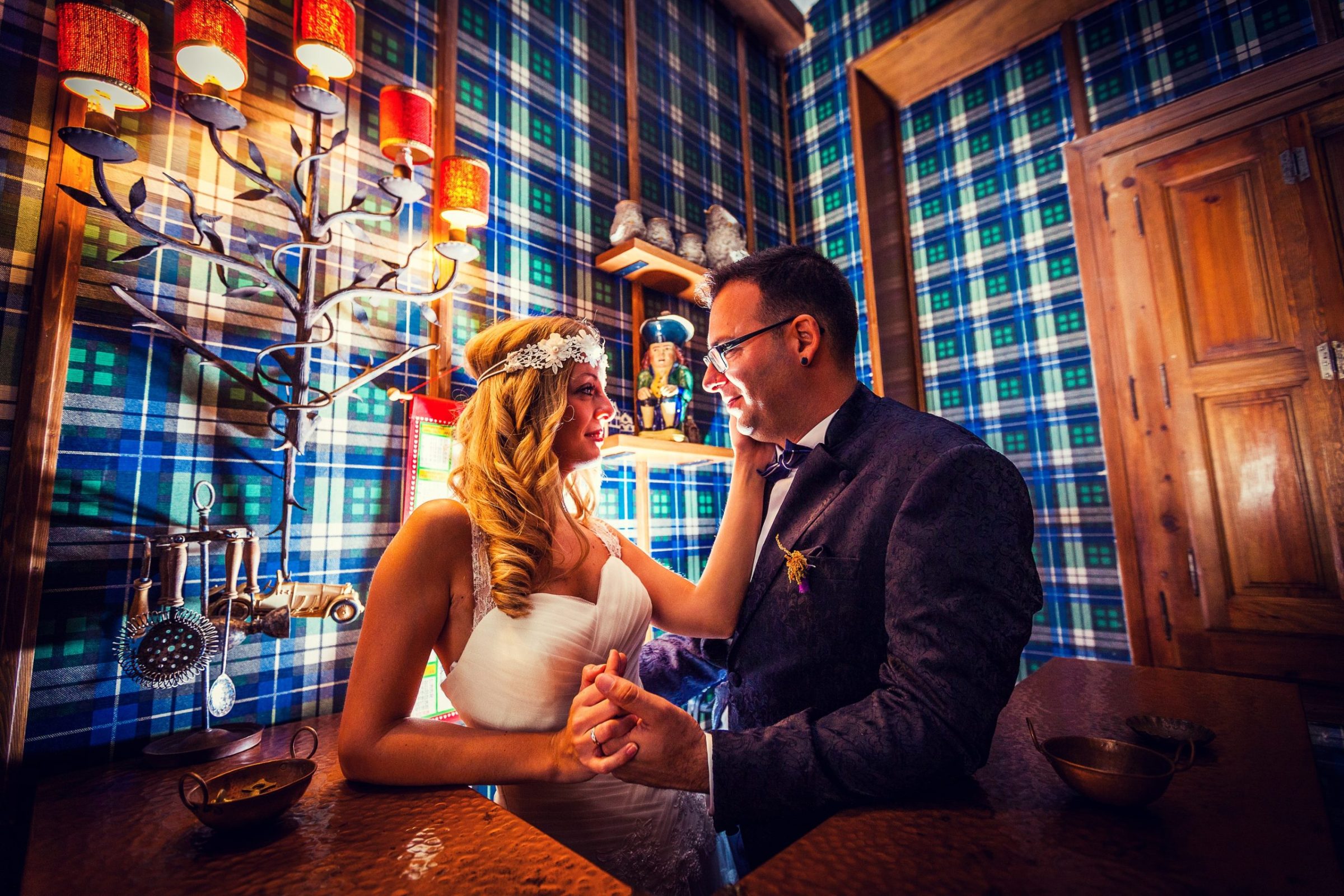
A Detailed Look at the Different Parts of a Wedding
Today I’m going to explain the different stages of a wedding, what each one involves and why they are important. Sometimes it may seem unnecessary to take so many photographs, but nothing could be further from the truth. Photography is one of the best investments you can make in your wedding.
Although I explain all of this when couples visit me at the studio, I thought it would also be useful to put it in writing.
Pre-Wedding Photos
Pre-wedding photographs can be used in many different ways and are far more useful than they may initially seem.
They are particularly valuable for couples — or one person in the couple — who do not feel comfortable in front of the camera or believe they never look good in photographs. A pre-wedding session helps you realise that you do not really need to pose or constantly think about the camera. You gradually relax when you see that great photographs can be created without doing anything particularly complicated.
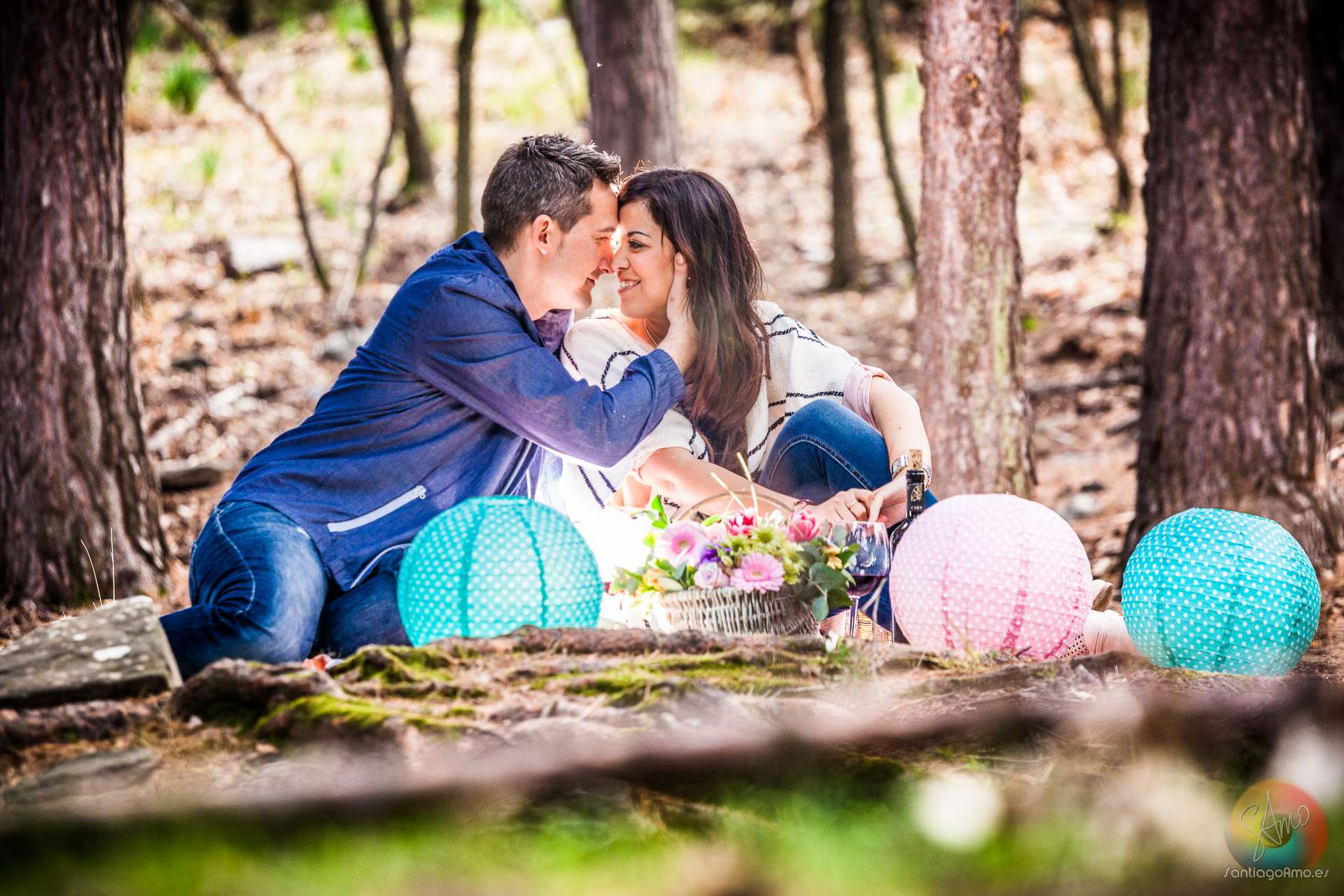
- They help you become more comfortable and confident in front of the camera.
- They are the perfect excuse to have a professional collection of photographs together as a couple.
- They can be used to create gifts for your parents during the wedding reception.
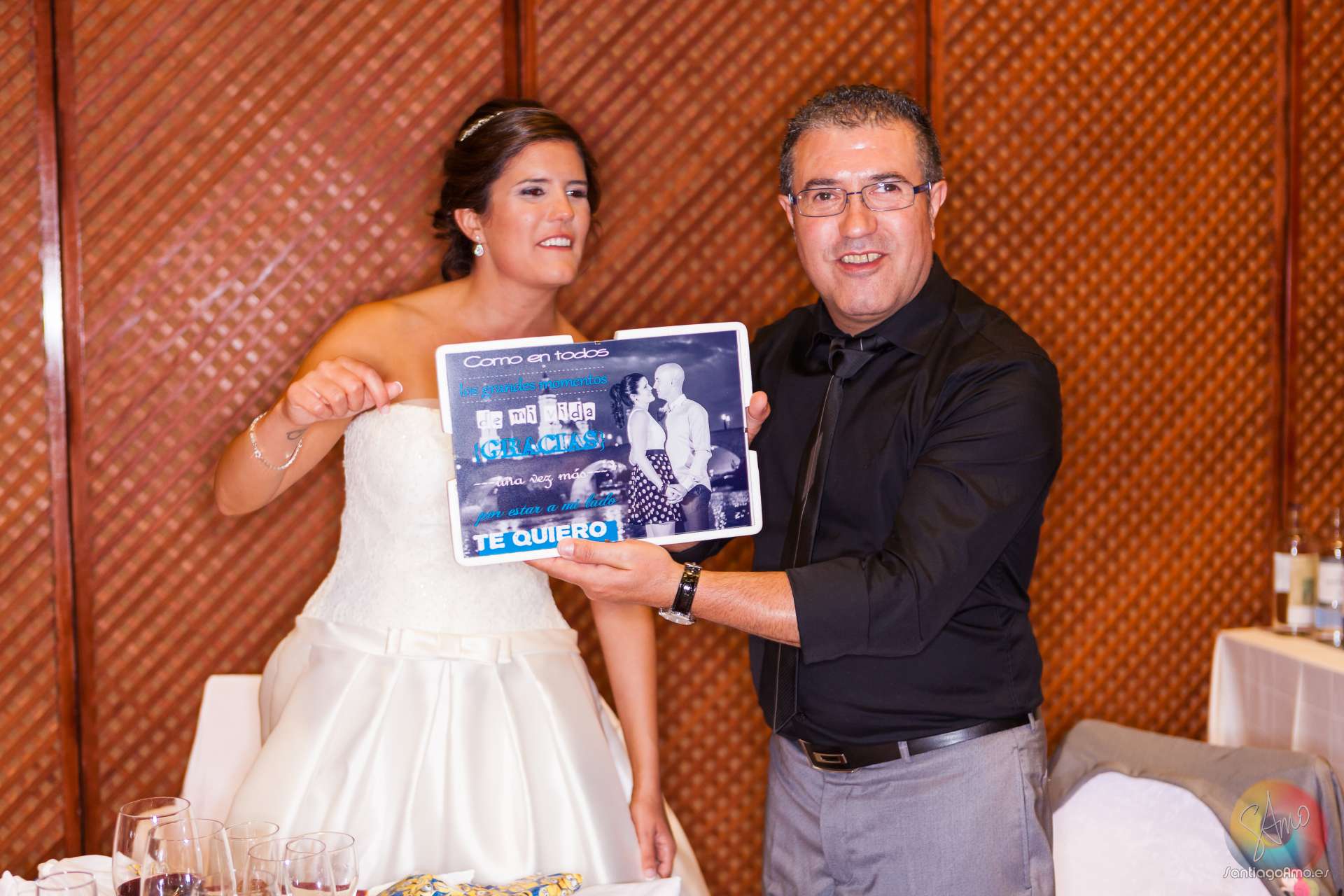
- They can be used for wedding invitations and other details.
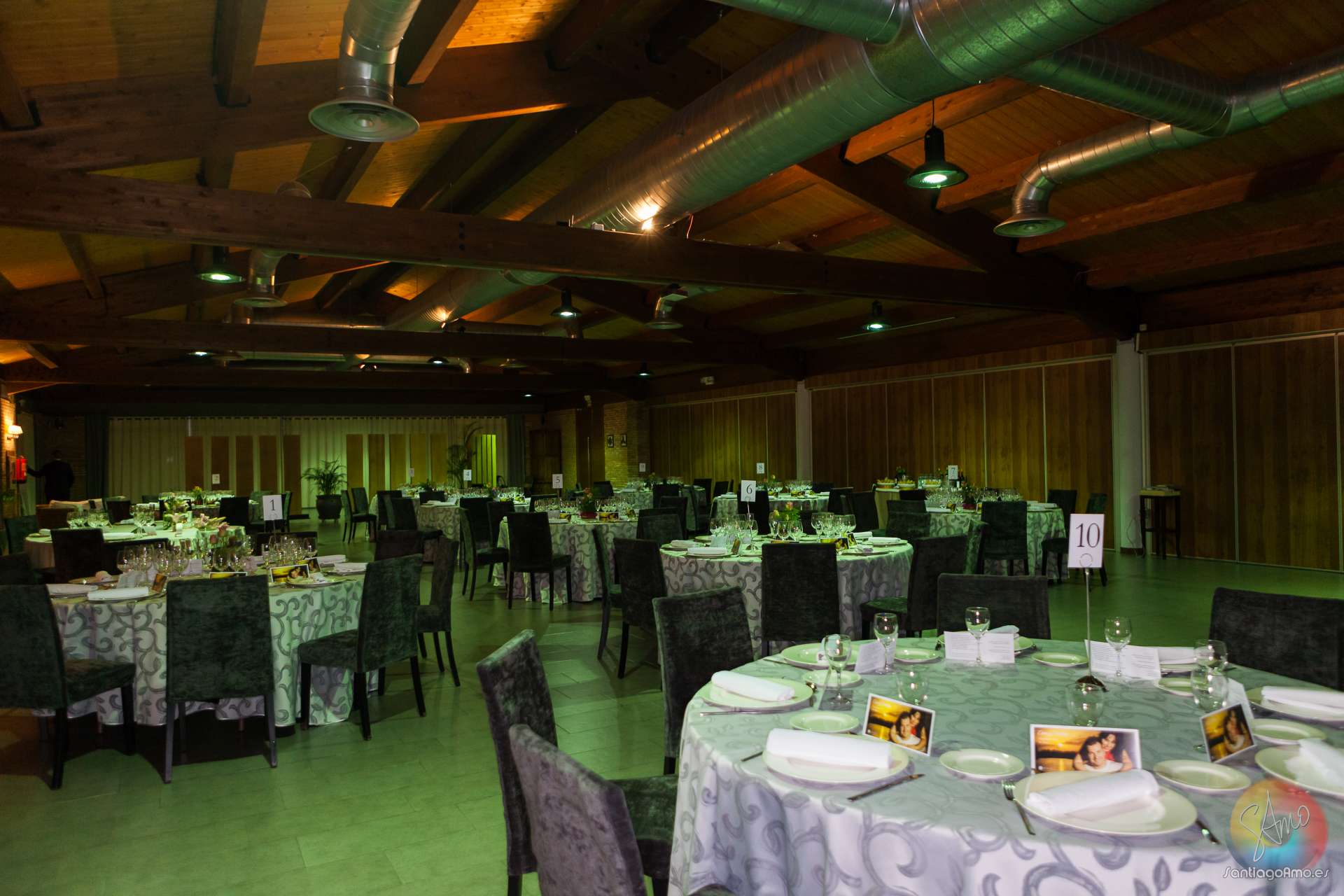
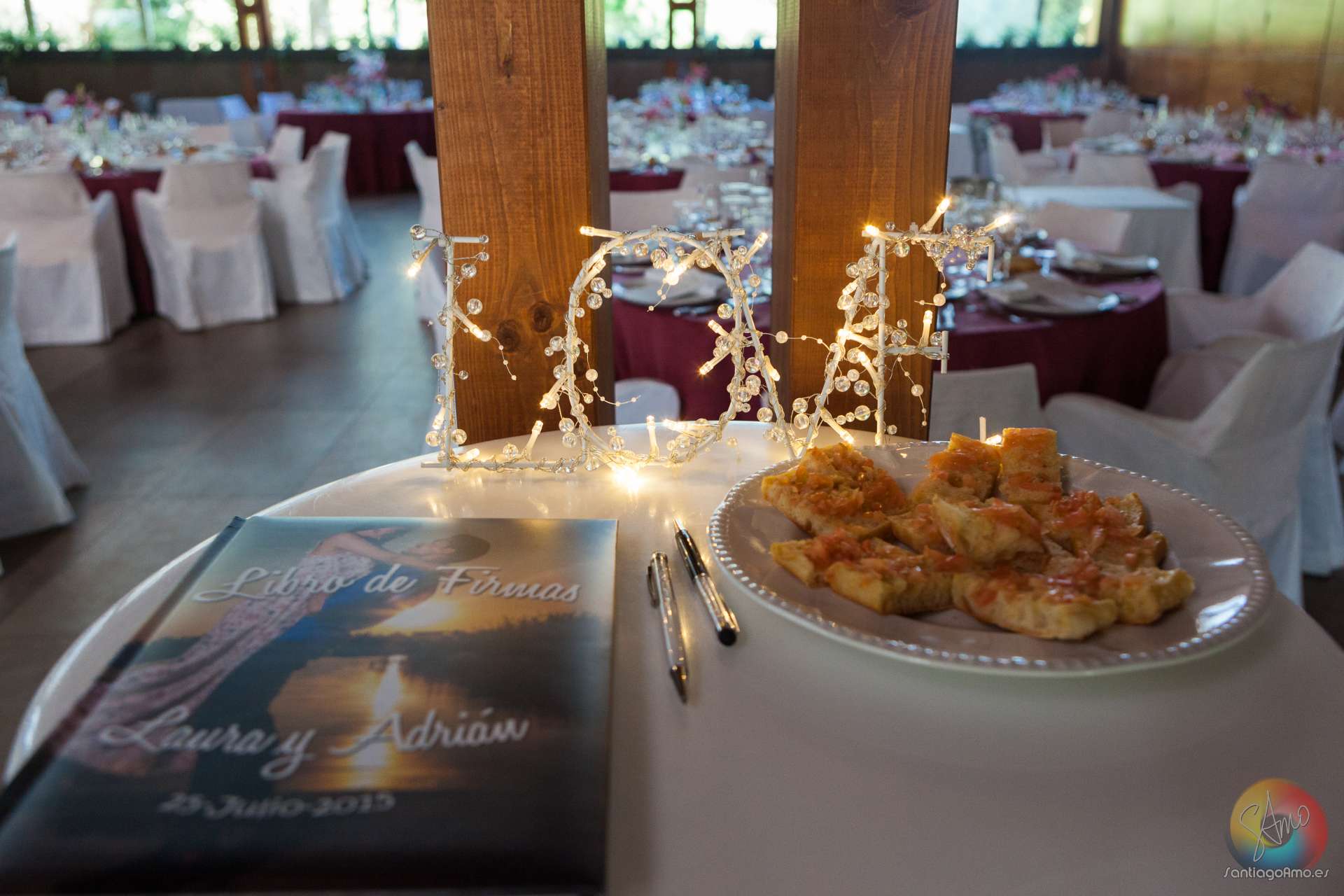
- They can be used for the guest book.
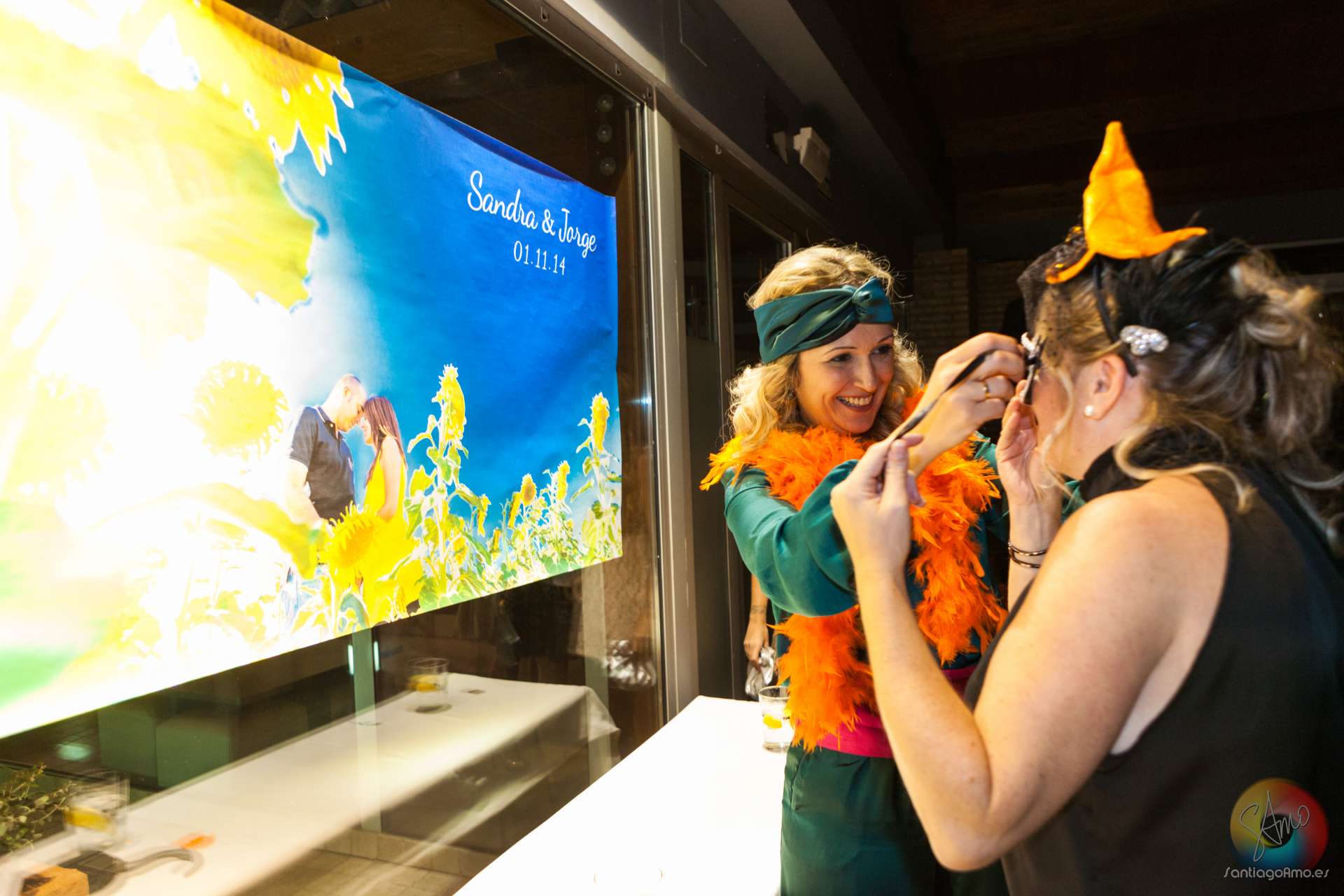
- They can be used as a backdrop for the photocall.
- They can be used in projections or slideshows during the wedding reception.
- And, above all, they help tell the complete story of your wedding in the album, because your wedding story is not limited to the wedding day itself.
The Wedding Day
The wedding day itself can be divided into several stages. In chronological order — although not every wedding necessarily follows exactly the same sequence — they are:
- Groom’s preparations
- Bride’s preparations
- Ceremony
- Group photographs with guests
- Couple’s portrait session
- Reception
- First dance and party
- Photocall
Preparations
The preparations are one of the most emotional and interesting parts of a wedding day. They are usually filled with excitement, nerves and anticipation.
When I arrive at the house, before even taking the camera out of the bag, I make sure everyone is comfortable and that the atmosphere is right. Sometimes I even act as a kind of moderator to help everything run smoothly. At that point, my job has already begun: documenting everything that happens without making my presence noticeable.
This is where natural, documentary-style photography is essential. I work almost as though I were not there. This is not the moment for forced posing.
I normally spend around one hour at each house. For that reason, I usually arrive at the groom’s home slightly before he would normally start getting ready.
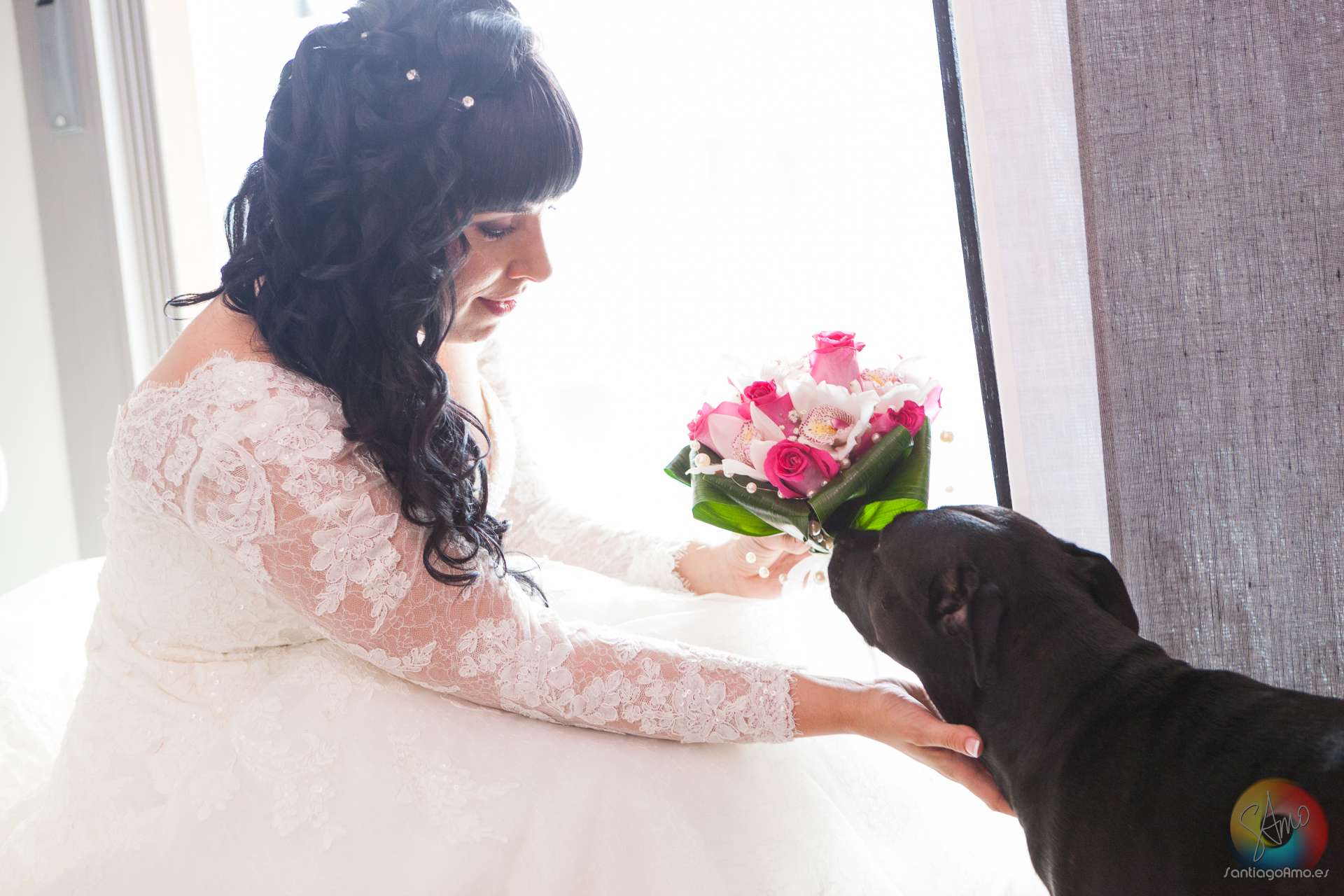
One important thing to remember is that very little of the house itself usually appears in the photographs. There is no need to renovate it, redecorate it or clean it excessively. The house should look as it normally does and as it has been lived in over the years.
Preparation photographs are usually very natural and often capture some of the most touching moments of the day.
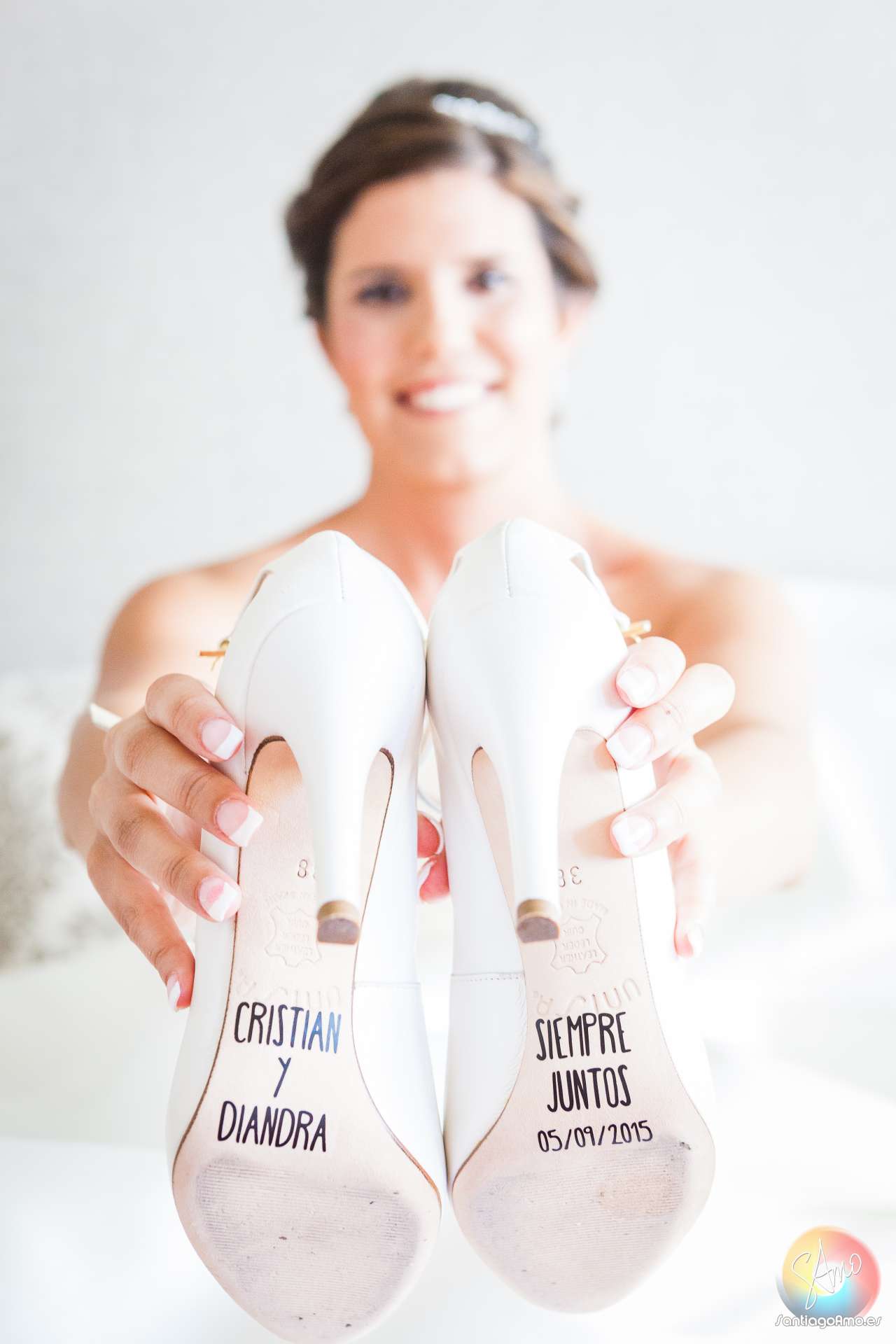
I always recommend that both the bride and groom have not only family members with them, but also friends.
This can be particularly helpful for the bride. Getting ready with friends often creates a happier, more relaxed atmosphere and helps reduce some of the tension and nerves that can sometimes arise with parents. In many ways, this is where the celebration really begins.
There is also no need to become obsessed with taking formal photographs with family members during the preparations. Those photographs can be taken again after the ceremony.
Nor is it essential for photographs of someone helping the bride or groom get dressed to be perfectly staged with everyone already fully dressed. It is usually better when everything happens naturally rather than being forced.
Wedding preparations usually take place in one of four locations:
- The parents’ home
- The couple’s home
- A hotel
- The wedding venue
In reality, all of them can work perfectly well. The location itself is not especially important.
However, when the wedding takes place at a country estate or dedicated wedding venue, getting ready there can make everything much more relaxed and convenient for the couple.
The Wedding Ceremony
The ceremony may be religious or civil.
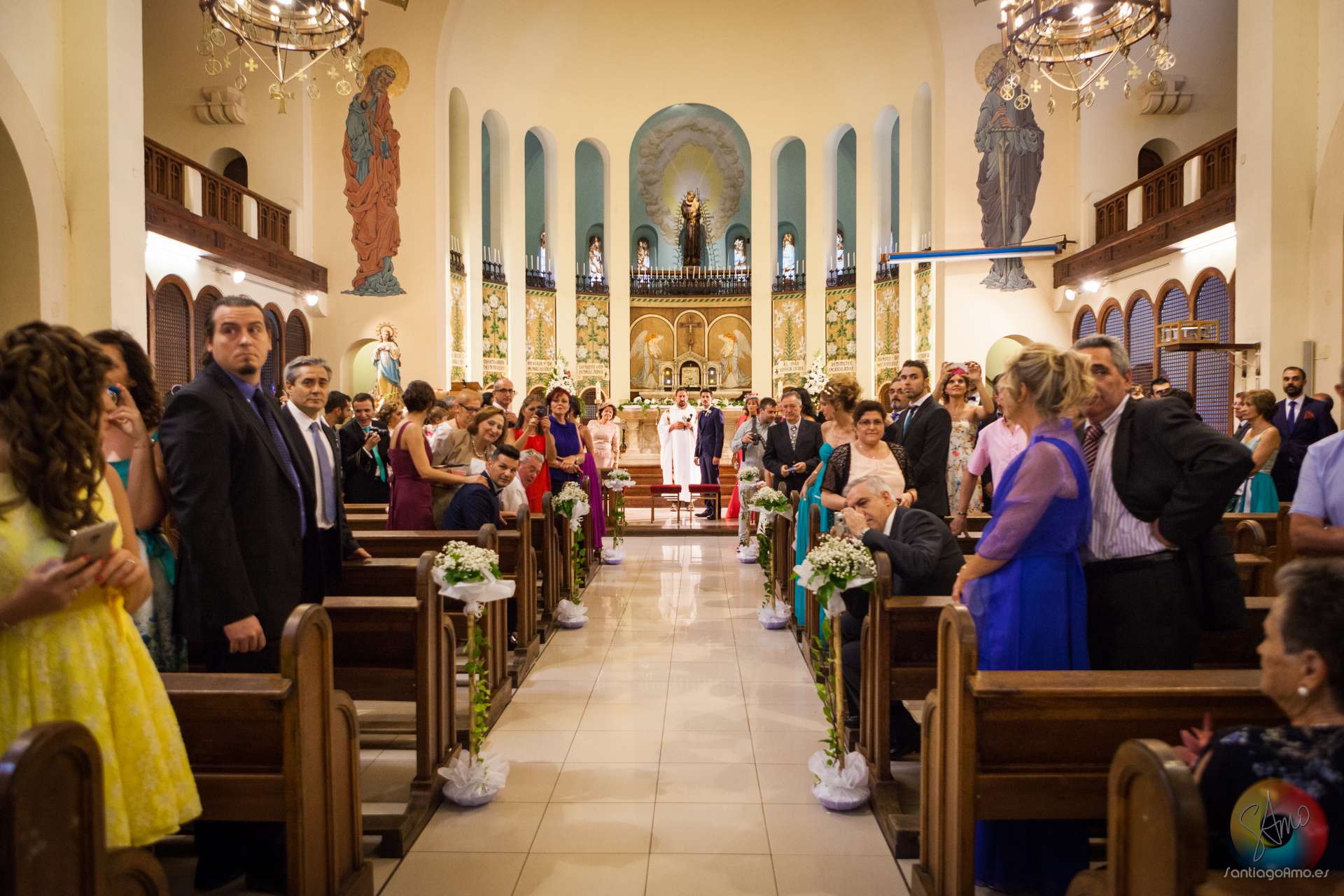
Religious wedding ceremonies, although less common than they once were, retain a strong sense of tradition.
The photograph above shows the bride entering the church while the groom waits for her at the far end. It represents what she sees as she walks into the church — an incredibly emotional and visually powerful moment.
Nowadays, photographers generally have far fewer difficulties working inside churches. The growing popularity of civil weddings has also helped attitudes towards wedding photography become more flexible.
During religious ceremonies, it is very important to preserve the atmosphere and natural light of the church. I never use an on-camera flash mounted directly on top of the camera. If additional lighting is necessary, I use supplementary lights controlled remotely from the camera.
Civil ceremonies are becoming increasingly similar to religious ceremonies in many ways, and can sometimes be even more elaborate, personal and entertaining.
They can range from a very quick legal ceremony at a registry office to an extensive and carefully planned celebration. Civil ceremonies can be conducted by family members, friends, staff from the venue or someone hired specifically for the occasion.
Civil weddings can often be among the most emotional ceremonies of all. There can be laughter, tears and participation from children if the couple already has a family.
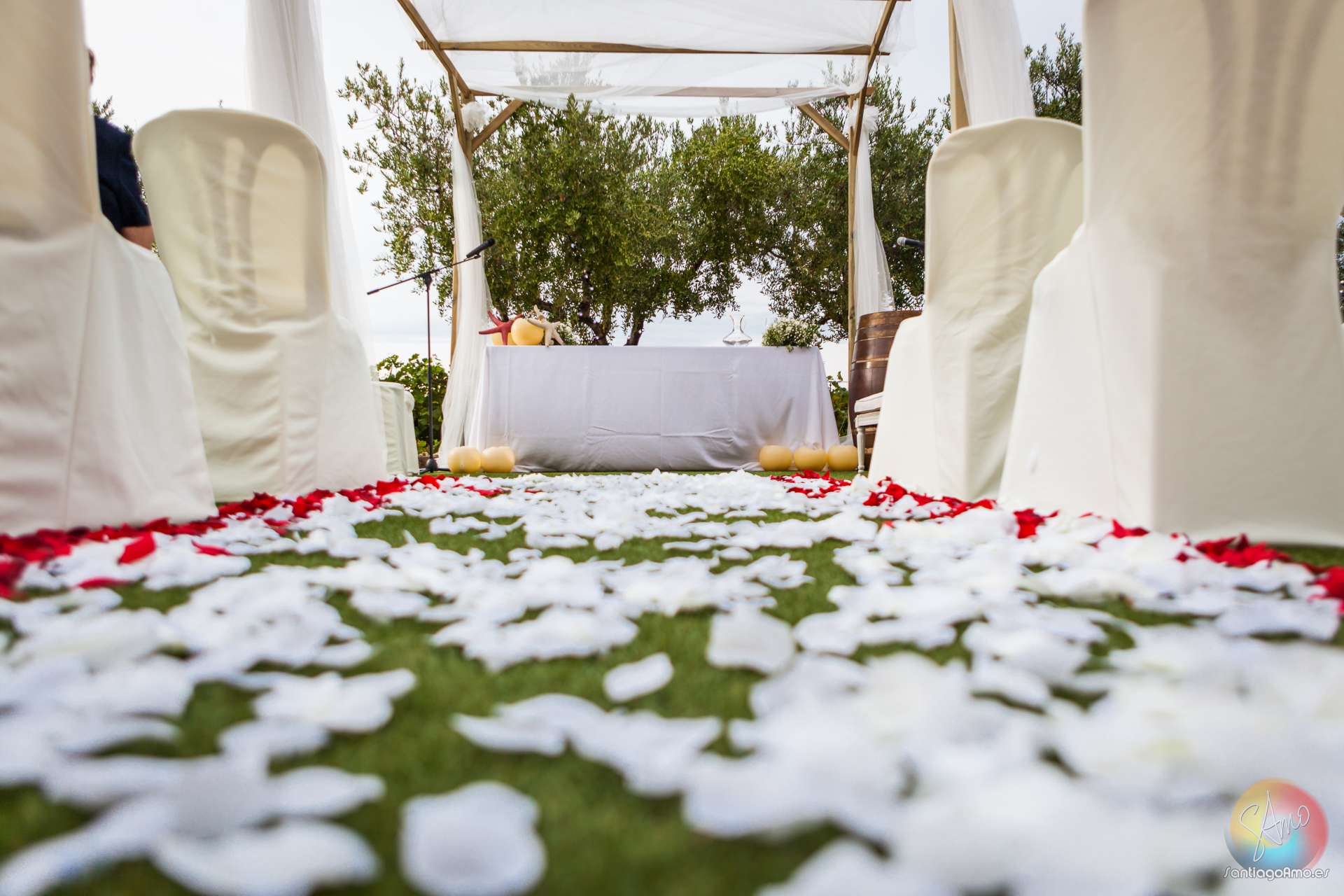
Friends and relatives can speak, read messages and share emotional stories with the couple. This can also happen during religious ceremonies, but civil weddings usually offer more freedom and greater participation.
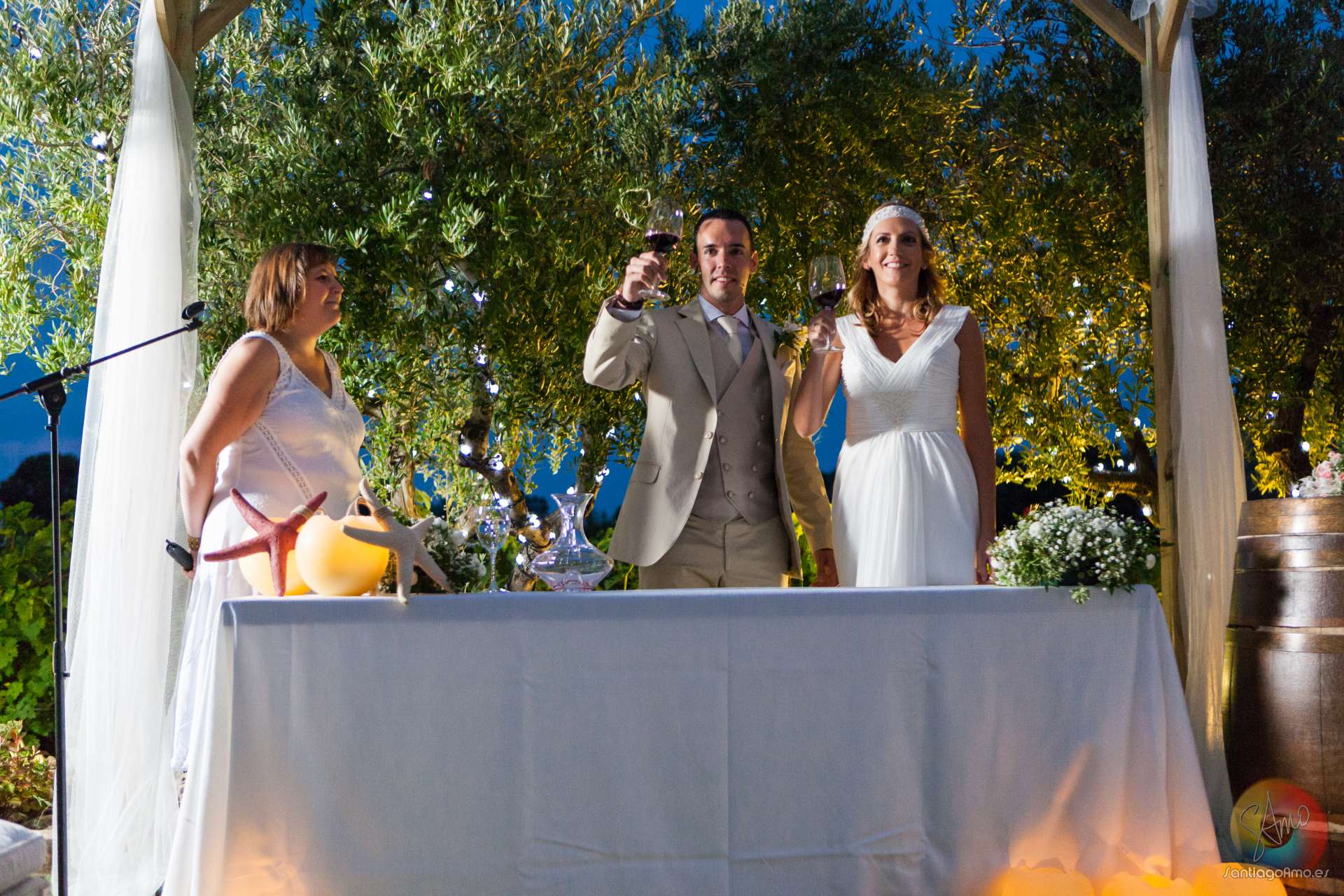
Civil ceremonies held outside a registry office — for example at a wedding venue — can sometimes be legally valid when conducted by, or in the presence of, an authorised official.
Other couples choose to complete the legal ceremony privately at the registry office on another day and then celebrate a more personal civil ceremony with their guests.
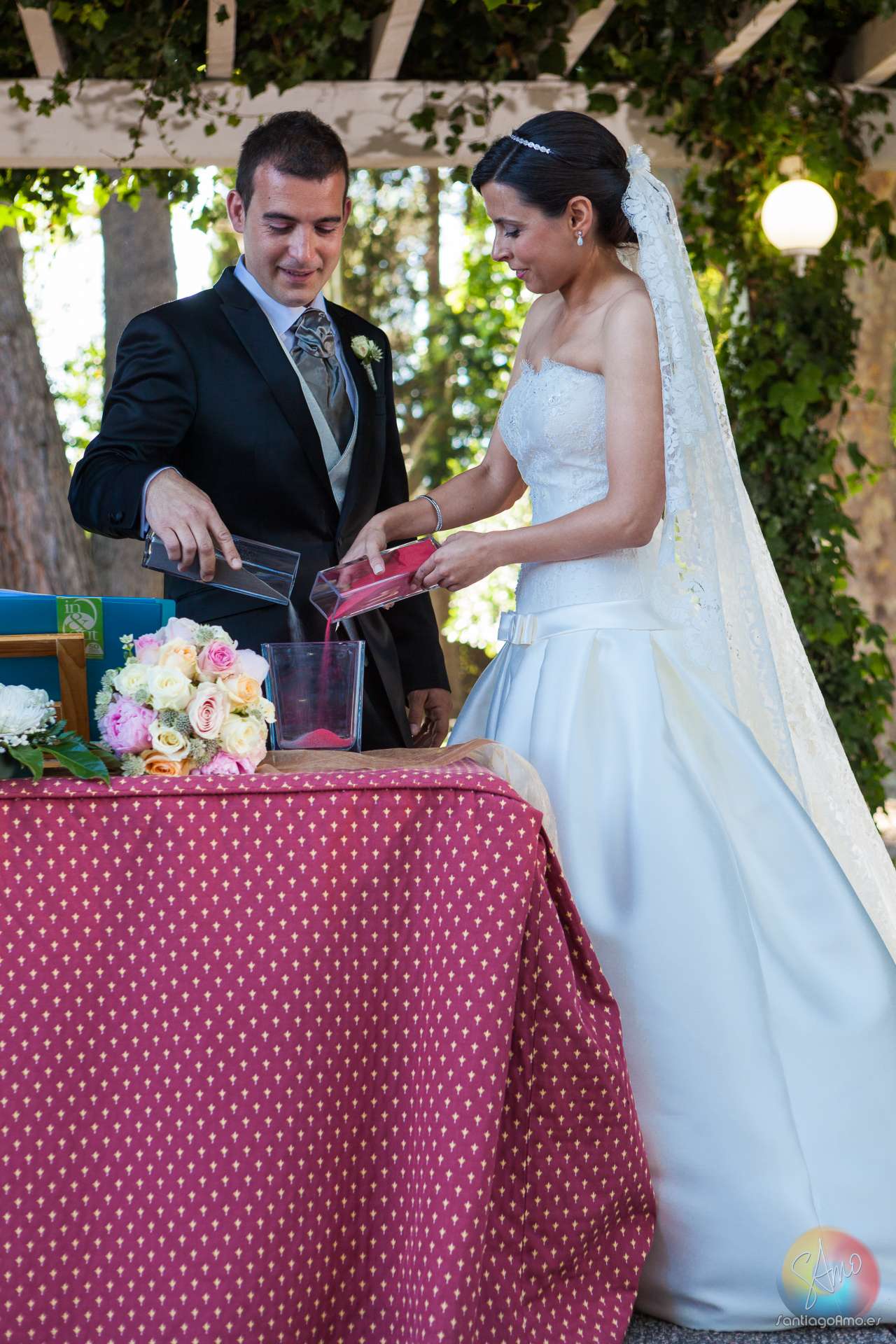
Different symbolic rituals have also become very popular, such as the sand ceremony and the wine ceremony.
In the sand ceremony, the couple pours two different colours of sand into a glass container. In the wine ceremony, two wines are mixed together to create a single blend.
Similar rituals can be created with candles or almost anything else that symbolises the couple’s relationship.
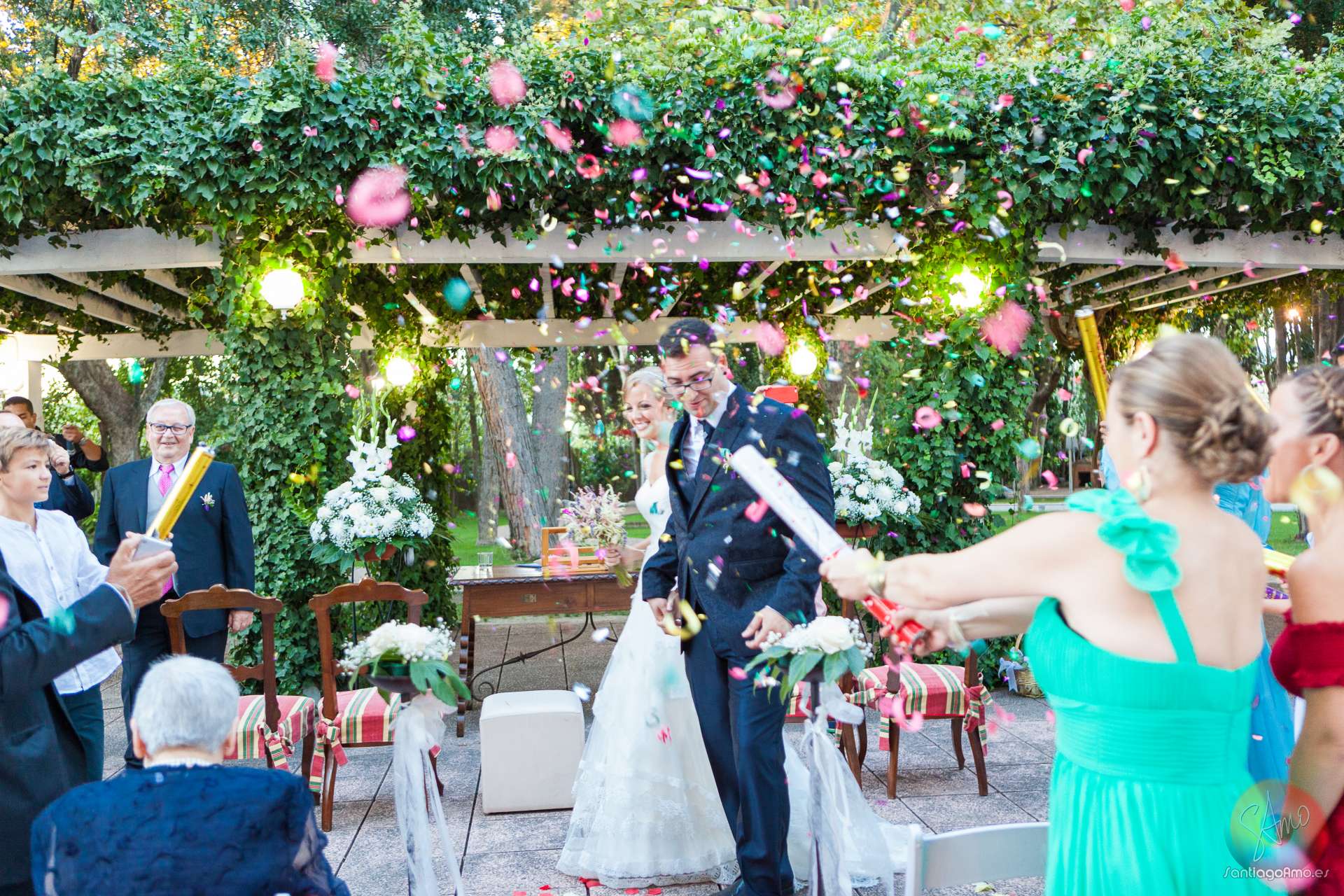
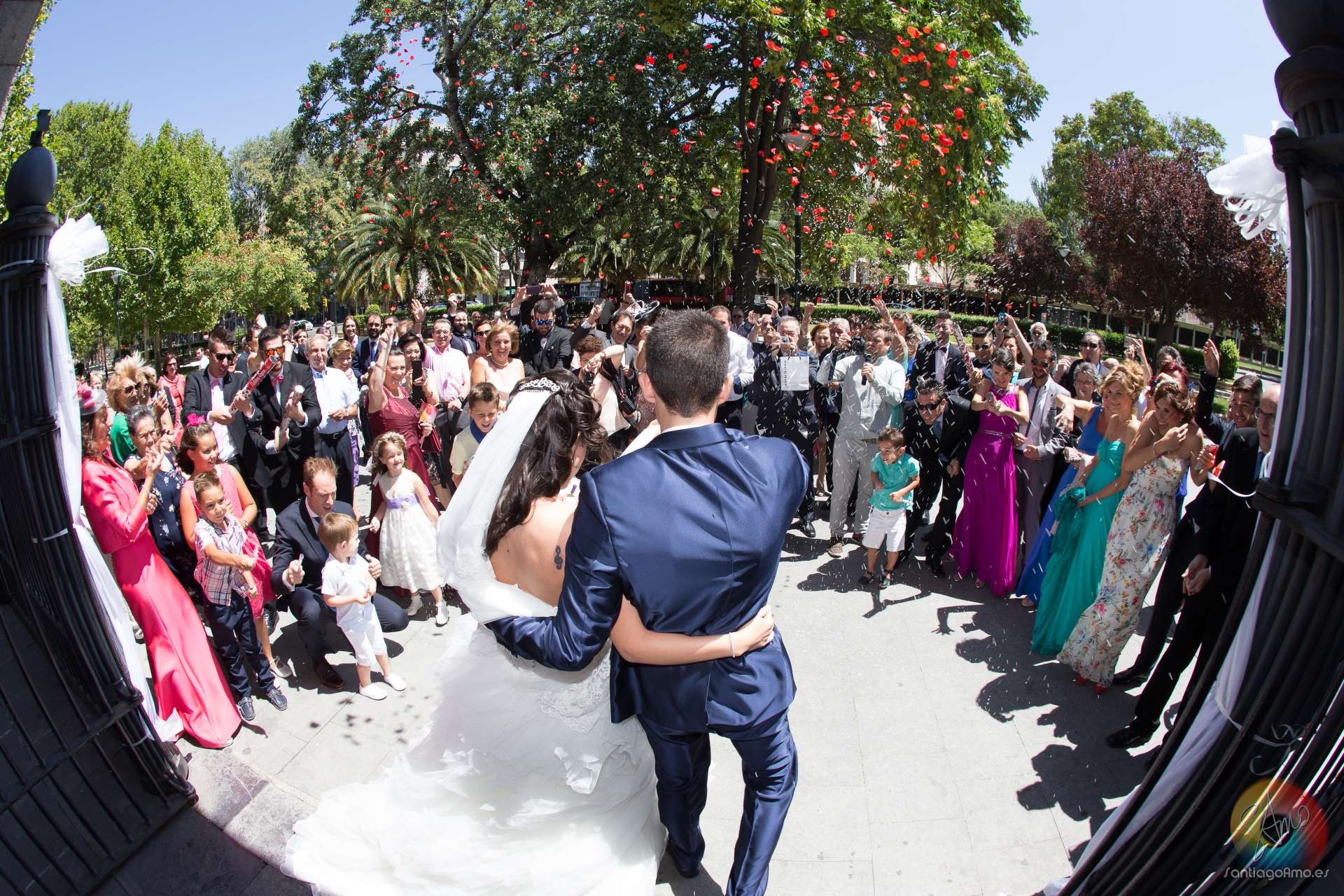
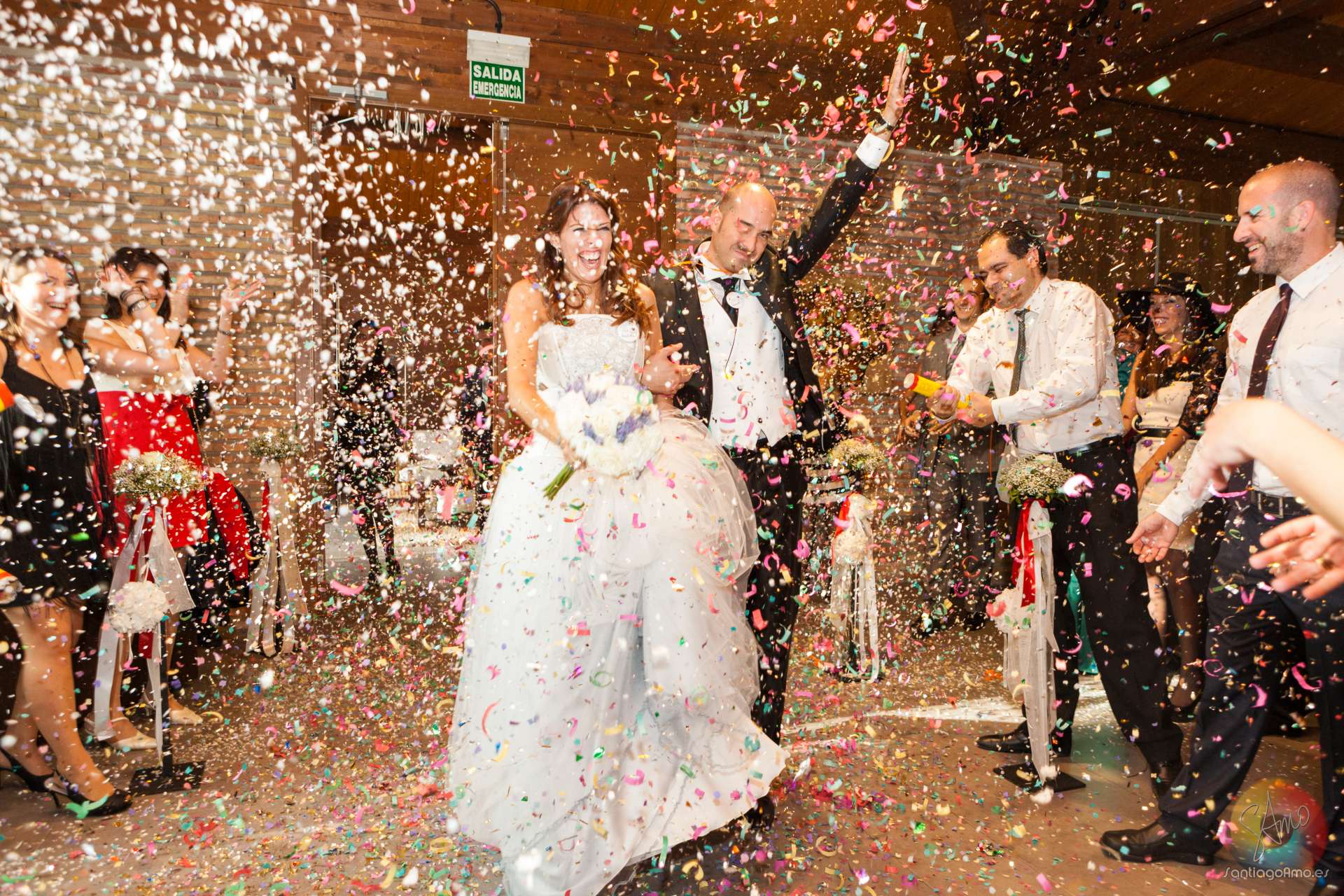
One thing that most ceremonies have in common is the moment when the newly married couple walks out together.
Guests traditionally throw rice, although many venues no longer allow it for various reasons. Petals, confetti and many other alternatives are now commonly used — and from a photographic point of view, I have to admit that I prefer them, especially because of the extra colour.
Once this important part of the wedding is over, I think it is very useful for the couple to take around 20 minutes away from the guests. It gives them a short break from everything that is happening and provides the perfect opportunity for some wedding portraits.
The Wedding Portrait Session
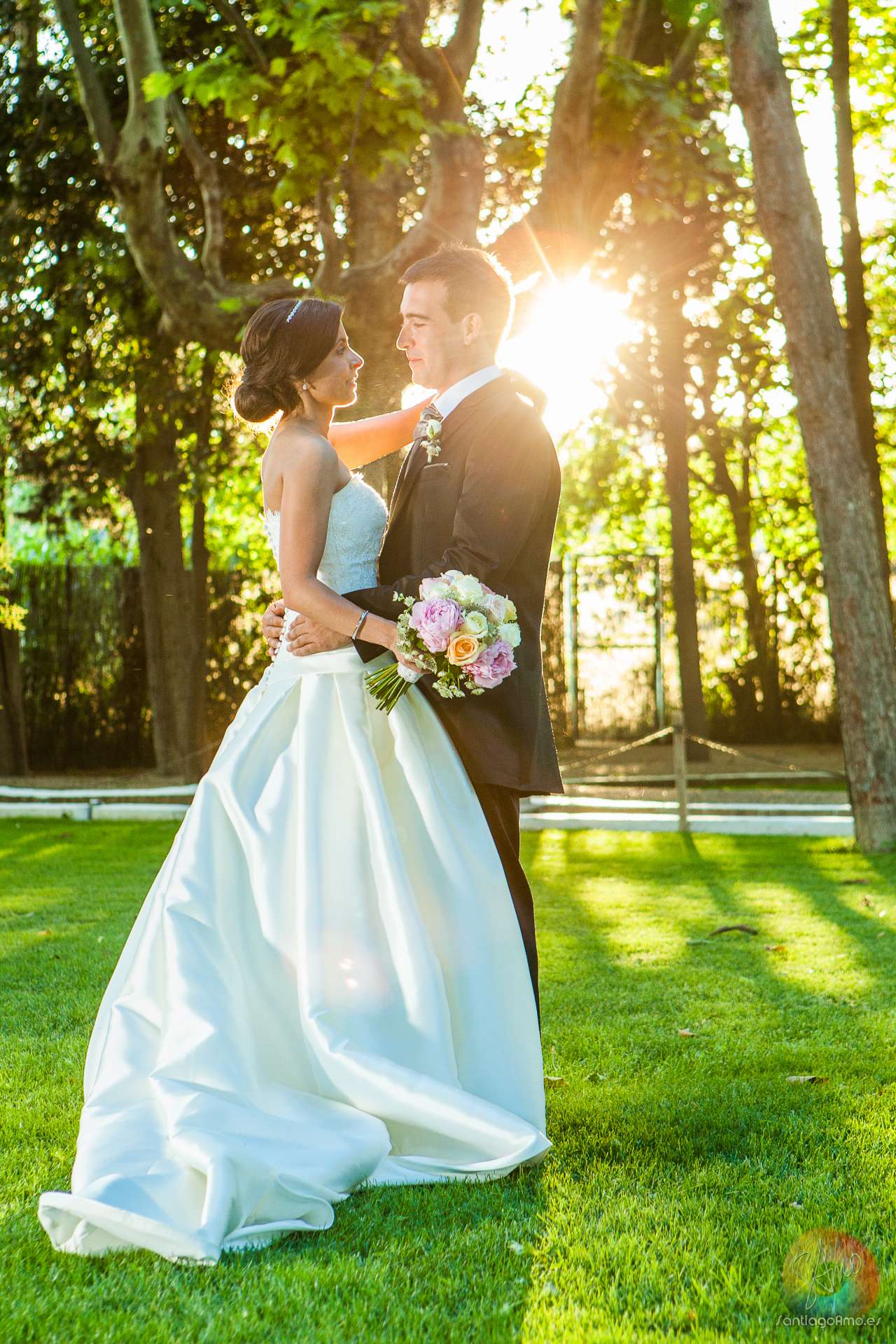
I love this part of the wedding because the expression and happiness you see on a couple’s faces that day cannot really be recreated later.
Wedding portraits can be taken in countless locations, although it is usually most practical to stay relatively close to the wedding venue.
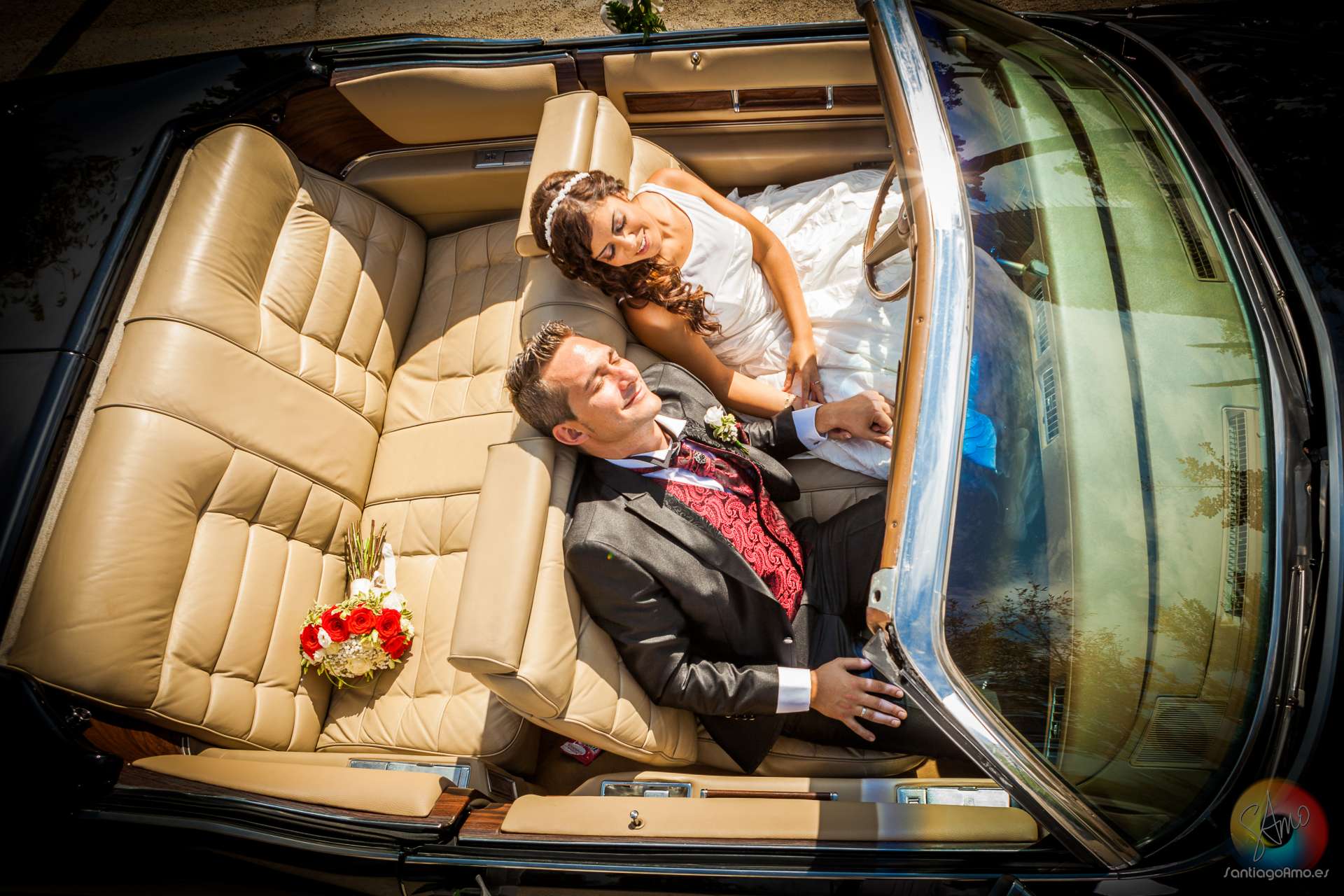
Classic or unusual cars are also quite common at weddings and can provide an excellent starting point for the portrait session.
I would happily fill this article with wedding portraits, but that is not really the purpose of this post.
The remaining parts of the wedding, with the exception of the post-wedding shoot, are generally more familiar.
The photographer’s job is to document everything that happens: expressions, emotions, gifts, surprises and all the moments that make each wedding unique.
There are always plenty of fun and unexpected moments. Every wedding is different, and much of what happens depends on the personalities of the couple, their friends and their families.
The Photocall
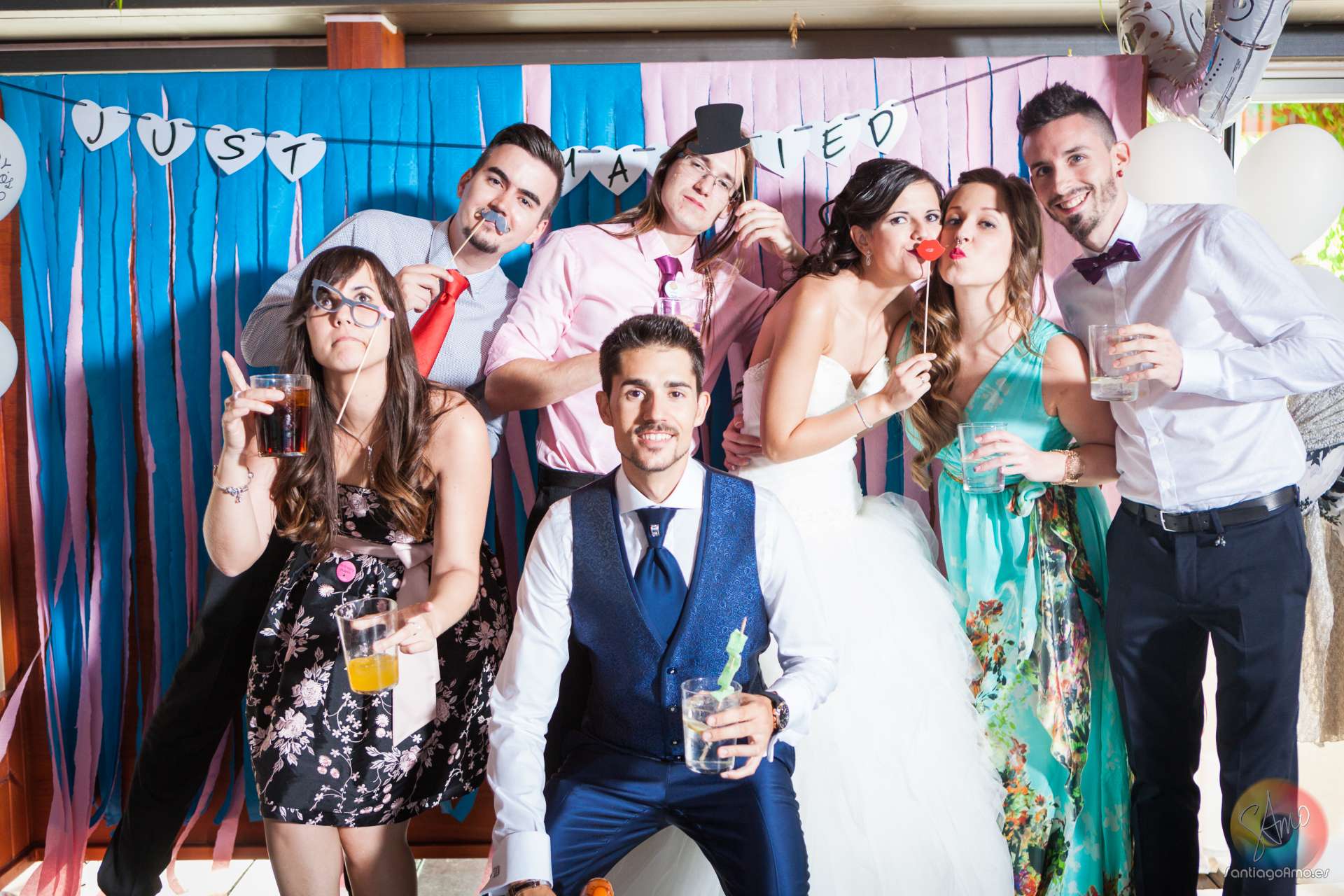
A photocall is a simple and entertaining way to bring some extra fun to the wedding party.
You can buy inexpensive props, place them near the dance floor and let guests take photographs with glasses, signs, hats or whatever else you choose.
A dedicated backdrop is not essential, although you can certainly use one. As you can see, I use studio lighting for these photographs — and people usually have a great time.
The Post-Wedding Shoot
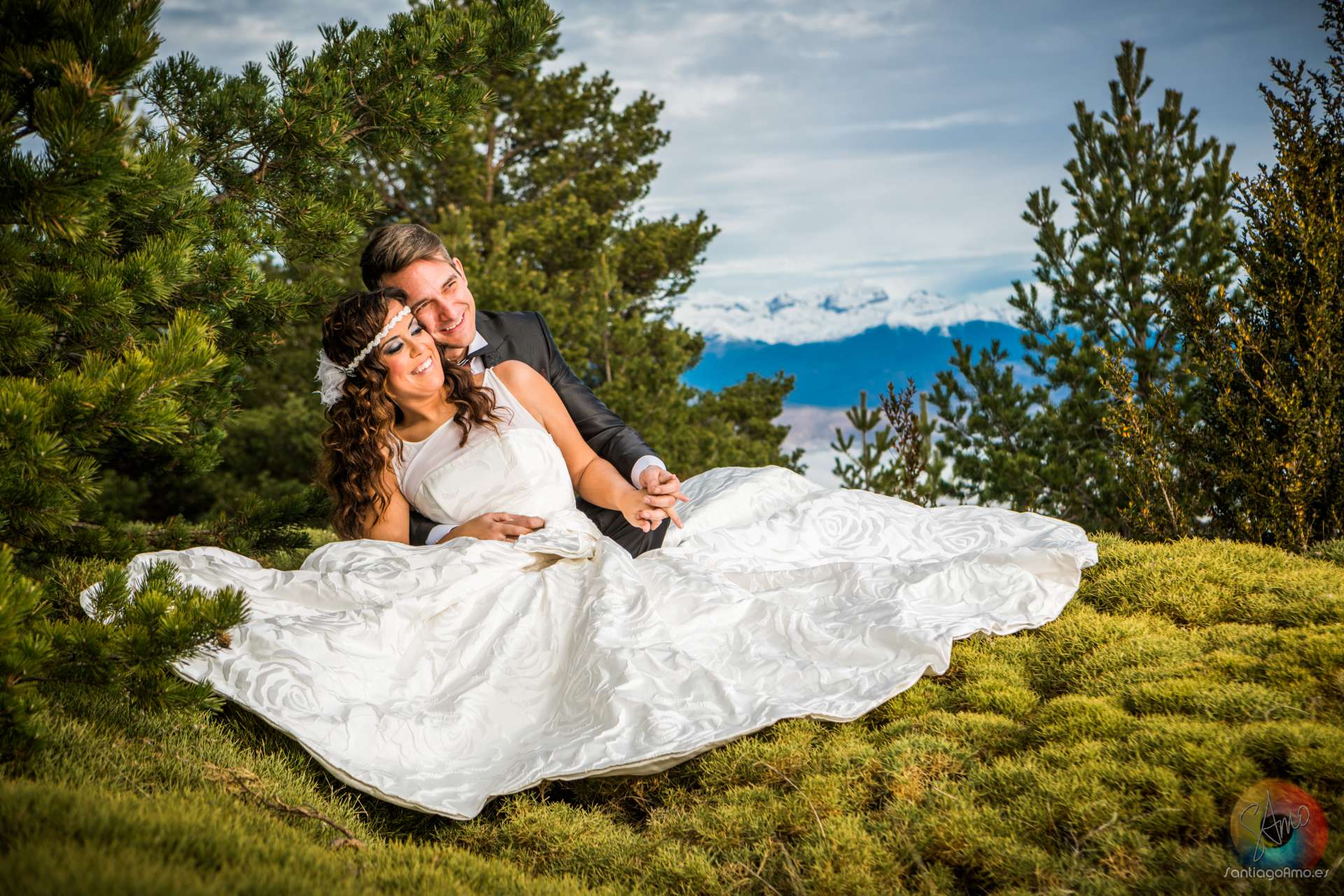
La post boda tiene muchas ventajas:
- Puedes elegir un día con buenas condiciones meteorológicas
- amplían o añaden fotos al reportaje de bodas
- Se pueden hacer en cualquier lugar las fotos del reportaje: playa, montaña, etc…
- Son unas fotos sin prisas, que en las que se pueden hacer montajes más espectaculares
En ocasiones se usan porque los novios prefieren no separarse de los invitados en fincas. O porque sale un día malo o porque no hay tiempo material para hacer las fotos…
Os dejo esta última foto esperando que haya podido aclarar un poco lo de los fotos de boda!!
Explicación detallada de las partes de una Boda
Hoy voy a contar la historia de las partes de una boda, dividiéndolo en las fases de las que se compone, y por qué se hacen y para qué sirven. Muchas veces parece que hacer tantas fotos es tontada, pero nada que ver… es el dinero que mejor invertido está en una Boda.
Aunque todas estas cosas las explico en las visitas que hacéis a mi estudio, las pongo por aquí por escrito, que siempre vienen muy bien a quien se quiera ahorrar horas de explicaciones.
Fotos de Pre boda
Con las Fotos de Pre boda, se pueden hacer cantidad de cosas y son verdaderamente útiles, en contra de lo que parece, son muy interesantes e importantes para las parejas o miembros de la pareja que no les gusta hacerse fotos, a esas personas que dicen que salen mal. Con las fotos de pre boda os dais cuenta que no hay ni que posar ni estar pendiente de la cámara, os soltáis mucho porque veis que las fotos quedan muy chulas sin hacer nada en especial. Por lo tanto,
- Sirven para coger confianza y cogerles el gusto.
- Son la mejor excusa para tener un Book de fotos de pareja que no se suele tener
- Se utilizan mucho para hacer regalos a los padres durante el banquete
- Se utilizan para hacer las invitaciones y detalles de tu boda
- Se utilizan para el libro de firmas
- Se utilizan como fondo para el Photocall
- Se utilizan para hacer proyecciones con cañón durante el banquete de la boda.
- Y sobre todo sirven para contar la historia completa de tu boda en el álbum de fotos, porque la boda no es sólo el día de la boda.
El día de la Boda
El día de la boda, a su vez, está dividido en partes que ordenadas de forma cronológica (y no necesariamente en ese orden) son:
- Preparativos de Él
- Preparativos de Ella
- Ceremonia
- Posado con los invitados
- Reportaje
- Banquete
- Baile
- Photocall
Preparativos
Los preparativos de una Boda, son una de las partes más emotivas e interesantes. Es un momento que normalmente está cargado de muchas emociones y nervios.
Cuando llego a una casa, antes de sacar la cámara de la funda, me aseguro de que el ambiente, los nervios y todo está bien, muchas veces hago de moderador para que todo esté en su sitio. En ese momento ya comienza mi labor de, sin parecer que estoy, inmortalizar todo lo que ocurre.
Aquí si es fundamental las fotos naturales o documentales, aquí si que es como si no estuviera. Aquí si que no pega hacer fotos posadas…. aquí si!
Normalmente estoy, y digo estoy, porque en los preparativos no es bueno que vayamos más gente, con uno sobra, lo que decía, normalmente estoy una hora en cada casa. Así que a casa del novio siempre se va un poco antes de lo que el novio se vestiría por su cuenta.
Una cosa muy importante a recalcar, es que no salen mucho las casas, no es necesario reformarlas, ni limpiarlas de más ni nada de nada, las casas deben de estar tal y como están y como se ha vivido en ellas los últimos años.
En las fotos de preparativos salen fotos muy naturales con momentos verdaderamente preciosos. Fotos entrañables.
Siempre recomiendo a las novias e incluso a los novios, que además de la familia, estén amigos y amigas. Ésto es especialmente interesante para las novias, el que se cambien con las amigas les da mucha alegría, quita mucho esa tensión por los nervios que se suele producir con los padres en muchos casos. Es realmente el comienzo de la fiesta!
Además, tampoco hay que obsesionarse con hacer las fotos posadas con los familiares, esas fotos se vuelven a hacer a la salida de la ceremonia… Ni es imprescindible que las fotos ayudando a vestir a los novios se hagan con los padres ya de punta en blanco. No es necesario. Es mejor que sea mas natural y menos forzado.
Los preparativos de boda se hacen típicamente en 4 sitios:
- Casa de los padres
- Casa de los novios
- Hoteles
- Fincas
La verdad que todos los sitios son buenos, no son importantes. Pero por comodidad, cuando la boda es en Fincas, la opción cambiarse ya en el sitio donde te casas, da mucha tranquilidad a los novios.
Ceremonia de Boda
La ceremonia puede ser Religiosa o Por lo civil.
Las ceremonias de boda religiosas, cada vez menos frecuentes, mantienen la tradición y la costumbre.
En la foto un ejemplo de entrada en una boda religiosa en la que el novio está al fondo esperando a la novia. Es lo que la novia ve cuando está entrando en la iglesia. Un momento super emotivo, super emocionante y vistoso.
Ya no ha problema alguno con los curas para hacer las fotos, las bodas civiles han ayudado mucho a abrir un poco la mente.
En las ceremonias religiosas en la iglesia es muy importante captar la luz del sitio, no uso nunca flash de zapata encima de la cámara, añado iluminación complementaria a la iglesia si se activa por control remoto con la cámara.
Las ceremonias Civiles, son cada vez más parecidas a las religiosas en todos los sentidos, e incluso más completas y divertidas.
Pueden ir desde un acto rápido en un juzgado, hasta la más extensa y trabajada ceremonia. La ceremonia civil puede ser orquestada por familiares, amigos, trabajadores de la finca o gente contratada para la ocasión.
Las ceremonias de boda civiles pueden y suelen ser las más emotivas de todas, hay sonrisas, lloros, se pueden celebrar con los hijos, porque puede que ya tengas cuando te casas.
Tanto familiares como amigos salen a leerles y contarles cosas emotivas, todo vale, en las religiosas se puede hacer también, pero en las civiles son más intensas, y la gente participa más.
En las ceremonias civiles que no están hechas en el juzgado, vamos, en fincas, pueden ya ser válidas legalmente si la oficia o está presente un representante legal. Pero también se suelen casar un día en el juzgado de forma más discreta, y luego el mismo día u otro hacen la ceremonia Civil.
Está muy de moda en las ceremonias Civiles el hacer diferentes rituales, como puede ser el ritual de la arena y el ritual del vino.
En el ritual de la arena, los dos novios mezclan arena de 2 colores en un jarrón de cristal, y en el ritual del vino, se mezclan vinos para dar un vino conjunto.
Lo mismo se puede hacer con velas, o con cualquier cosa que pueda simbolizar el amor de los novios.
En todos los casos, lo que es común es la salida, en momento en que los novios salen de la iglesia ya casados. Les tiran de todo los invitados, lo más habitual es el arroz. Pero como en muchos sitios ya no dejan por diversas razones, se están tirando pétalos, confeti… de todo, la verdad que todas estas cosas quedan mejor que en foto…. más que nada porque a mi me gusta mas el color!
Un vez que ha pasado esta fase tan importante de la boda, es muy importante desconectar un poco de la gente, unos 20min, y para eso lo mejor es salir un poco a hacer fotos de reportaje!!
Las fotos de Reportaje de Boda
Las fotos de reportaje me encantan, porque la cara de alegría del día de la boda no se tiene otro día. Las fotos de reportaje se pueden hacer en infinitos lugares, pero lo normal es que sean cerca del recinto de bodas.
Como suele ser muy habitual el llevar un coche de época o diferente, es una buena base de partida para hacer el reportaje.
La verdad que me encantaría subir aquí montones de fotos de reportaje, pero no es el objetivo de este post.
El resto de partes a excepción de la Post Boda, son más que conocidos. La misión del fotógrafo es documentar todo lo que pasa allí, caras, emociones, regalos, etc…
Hay cantidad de momentos divertidos, cada boda es diferente y machas veces ya todo depende de los amigos y familiares de los invitados.
El Photocall
El photocall es una bonita y divertida forma de animar la boda. Se compra atrezzo en un chino, se ponen en un punto próximo a la zona de baile, y se hacen fotos, con todas esas cosas de una forma muy divertida.
No es necesario ningún fondo, pero se puede poner. Como se puede ver empleo luz de estudio… y la gente realmente se divierte!
La Post Boda
A post-wedding session has many advantages:
- You can choose a day with good weather.
- It expands the wedding story with additional photographs.
- The session can take place almost anywhere: the beach, the mountains or any other location you like.
- There is no rush, which gives us more freedom to create more elaborate and spectacular images.
Sometimes couples choose a post-wedding session because they do not want to leave their guests during the wedding reception. On other occasions, the weather may have been poor on the wedding day or there simply was not enough time for portraits.
Conversation